Outline Map of Ontario Canada: Your Complete Guide to the Province's Geography
Exploring the vast and diverse province of Ontario, Canada, begins with understanding its geographical layout - an outline map revealing its distinct regions and key features. Nestled in east-central Canada, Ontario is the country's second-largest province by total area,bounded by the Hudson Bay, James Bay, and the Great Lakes to the north, Quebec to the east, Manitoba to the west, and the United States to the south.
Ontario's outline map is a fascinating blend of natural wonders, urban landscapes, and rich cultural heritage. Diving into the details, let's uncover the key regions and aspects that define this province's geography.
Natural Wonders and Landforms
Ontario's landscape is a captivating mix of vast forests, sparkling lakes, and towering cliff formations, offering numerous opportunities for outdoor recreation and nature appreciation.


The Canadian Shield, a vast geological formation stretching across eastern Canada, covers much of northern Ontario. This region is characterized by rugged rocky terrain, countless lakes, and boreal forests. The Hudson Bay Lowlands, in the northeast, is a unique watershed extending from the tip of James Bay to the eastern shore of Hudson Bay, featuring expansive wetlands and diverse wildlife.
The Great Lakes
The Great Lakes system, the largest group of freshwater lakes in the world, owns a significant portion of Ontario's southern border. With over 100,000 lakes in total, Ontario is known as the "Land of Lakes," adding to its allure for recreational enthusiasts and anglers worldwide.


Lake Ontario, the smallest of the Great Lakes, shares its name with the province and is the primary source of drinking water for residents of Toronto and other municipalities. The lake is a vital region for waterfront living, commercial shipping, and tourism.
The Niagara Escarpment
The Niagara Escarpment, a scenic and ecologically significant landform, snakes through southern Ontario, from the Niagara Region in the south to the Bruce Peninsula in the north. This UNESCO World Biosphere Reserve features stunning cliffs, waterfalls, and lush forests, captivating visitors and inspiring various outdoor activities.
Home to the iconic Niagara Falls, one of the world's most famous waterfalls, the escarpment offers numerous trails, cycle routes, and year-round recreation opportunities, attracting millions of tourists annually.


Cities and Rural Communities
Beyond its natural beauty, Ontario is home to vibrant cities and diverse rural communities that enrich its cultural and economic fabric. From bustling urban hubs to quaint small towns, each region offers a unique blend of history, culture, and contemporary living.
The Greater Toronto Area (GTA), with a population of over 6 million, is Canada's most populous metropolitan area, accounting for over a quarter of the country's population. Toronto, the provincial capital, is a global city renowned for its multiculturalism, dynamic arts scene, and thriving economy. Other notable urban centers include Ottawa, the national capital, Hamilton, Kitchener-Waterloo, and Thunder Bay.
Ottawa - The National Capital
Ottawa, situated on the south bank of the Ottawa River, is home to Parliament Hill, Canada's federal legislative body. This multicultural city offers a wealth of historical and cultural attractions, such as the Canadian Museum of History, the National Gallery of Canada, and the Canadian Tulip Festival, one of the world's most vibrant spring celebrations.


A hub for arts, culture, and politics, Ottawa embodies the spirit of Canada, fostering a unique blend of English and French influences, found in its neighborhoods, cuisine, and language.
Northern Ontario: Mining and Indigenous Culture
Northern Ontario, encompassing two-thirds of the province's territory, is a vast and sparsely populated region known for its rich mineral resources and Indigenous cultural heritage. Home to over 300,000 residents, primarily concentrated in cities like Thunder Bay, Sudbury, and Sault Ste. Marie, the region boasts a diverse economy driven by mining, forestry, and tourism.
The region is deeply connected to the rich cultural heritage of its First Nations, Métis, and Inuit peoples, with numerous Indigenous communities and historical sites scattered across its expansive landscape. Visitors can immerse themselves in authentic cultural experiences, such as powwows, traditional artwork, and guided tours of historical sites.
From breathtaking natural wonders to vibrant urban centers and rural charm, Ontario's diversity paints a compelling picture that captivates visitors and residents alike. With its rich history, robust economy, and unparallelled opportunities for adventure, Ontario continues to inspire and enchant, beckoning all to explore its boundless potential.
Related Articles

Outline State of Maine: Your Complete & Comprehensive Guide
{"description": ["Free Maine outline with state name on border, cricut or Silhouette design, vector image, pattern, map shape cutting file", "Printable Maine...

Simple Map of Brazil: Your Complete Guide to Geography & Travel
{"description": ["Mapa do Brasil para colorir, #desenhos #desenhosdecolorir #desenhosparacolorir #desenhosparaimprimir #desenhosparaimprimirecolorir...
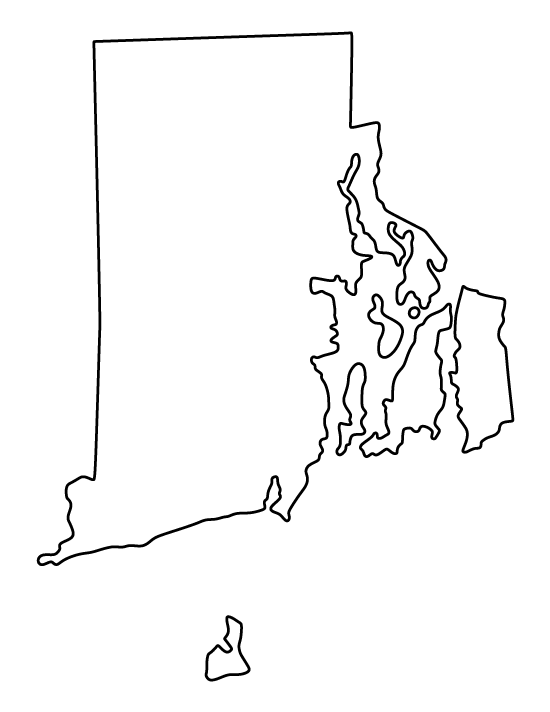
Outline of Rhode Island: Your Complete Guide to the Ocean State
{"description": ["Printable Rhode Island Template", "Free Rhode Island outline with HOME on border, cricut or Silhouette design, vector image, pattern, map...

Outline Turkey Map: Your Ultimate Guide to Turkish Geography
{"description": ["Printable map of Turkey", "Turkey Country Coloring Pages - Best Coloring Pages For Kids", "Abdelkadir Basti Stock Image and Video Portfolio...

Outline of Egypt Map: A Complete Guide to the Country's Geography
{"description": ["Outline Map of Egypt with Governorates", "Egypt map icon, simple style", "outline map Egypt", "Vector illustration de la carte de l'Egypte...

Norway Country Outline: Complete Guide to Maps, Borders & Geography
{"description": ["Booma Prints Welcome to Booma Prints! We create professional-grade photo prints with a fun twist. Browse our shop to find a unique piece for...